 Article by Karissa Donkin
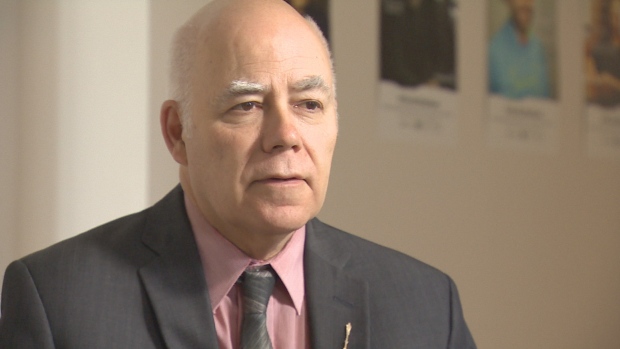
« There’s something behind the curtain I feel that is leading everyone from the premier to the minister to the department to say we need to keep a lid on this, »– David Coon
Police chiefs in New Brunswick were applauded by the provincial government when they announced plans to review unfounded sexual assault cases.
But behind the scenes, the government was fighting the province’s independent police oversight body to control how the chiefs of nine municipal police forces approached their review, CBC News has learned.
At the heart of the battle were questions over who should be responsible for keeping police forces in New Brunswick accountable.
Despite objections from the New Brunswick Police Commission, the oversight body that decided a review was necessary, the government stepped in and set the criteria for it.
Earlier this year, a Globe and Mail investigation found that police across the country routinely dismiss sexual assault complaints as unfounded, meaning a crime never happened or was never attempted.
New Brunswick’s numbers prompted concern. The province’s police forces posted the highest unfounded rate in the country, with nearly one-third of sexual assault complaints dismissed as baseless
But critics say the review criteria imposed by the New Brunswick government fails to address the challenges sexual assault victims face in accessing the criminal justice system.
« It’s absolutely a missed opportunity, » Green Party Leader David Coon said.
« Why did government decide to treat this so narrowly? »
Advocates like Sunny Marriner, the executive director of the Ottawa Rape Crisis Centre, saw the Globe and Mail investigation as a chance for police services to take a deep look at how sexual violence is investigated.
Looking backward
Instead, some police forces, including many in New Brunswick, announced internal reviews that look into the past, and whether their statistics match the newspaper report, rather than the future and how police respond to complaints of sexual assault.
« I’m not sure how internal reviews that are backward-looking assist us in moving forward to deliver better sexual assault investigations for survivors, » Marriner said.
The Department of Justice and Public Safety says a more detailed review may be necessary in the future, depending on how police perform on the first one.
« In the end, the provincial government, the police commission and all stakeholders have the same goal: to make the system work better for anyone reporting a sexual crime, » spokeswoman Elaine Bell wrote in an email.
But Bell didn’t explain why government didn’t want the police commission to lead the review.
‘Make us all look bad’
CBC News filed access to information requests to every police force in New Brunswick and the New Brunswick Police Commission. All but the Saint John Police Force provided a full response.
Those documents detail the fight for control of the review.
It began in February, when New Brunswick’s high unfounded rate caught the commission’s eye.
Some police chiefs questioned the Globe and Mail’s findings.
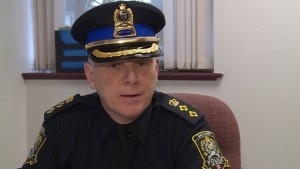
« Stating that police are not believing…victims is not true and make us all look bad, » Bathurst Chief Ernie Boudreau wrote in an email to New Brunswick Police Commission executive director Steve Roberge.
The police commission was concerned and suggested that chiefs get to the bottom of New Brunswick’s high unfounded rate.
After police chiefs agreed to a review, Roberge worked with the Fredericton Sexual Assault Centre to come up with criteria.
In an email, Jenn Richard, the centre’s director of community development, told Roberge the Globe and Mail story « validates the experience of many who have tried to report their sexual assault to police and did not receive a positive outcome. » (Richard declined an interview request for this story.)
Sexual assault centre weighed in
Richard suggested the review go beyond unfounded cases, looking at things like how soon statements are taken from victims and if they’re warned against making frivolous and vexatious complaints.
Roberge drafted a letter to chiefs, asking them to examine all sexual violence cases since 2010, along with the criteria proposed by the Fredericton Sexual Assault Centre.
Before he could send the letter out, the government put the brakes on the police commission’s plans.
Mike Comeau, the department’s deputy minister who was then assistant deputy minister, told Roberge that it would be confusing if the commission announced a review, because Premier Brian Gallant wanted to make an announcement.
He also accused the commission of stretching its mandate in an « extraordinary and unprecedented » way.
« In short, this is not a situation in which there is evidence of any municipality or the province failing to discharge its responsibilities to provide adequate policing, » Comeau wrote to Roberge.
‘Leapt to conclusions’
He also scolded Roberge for saying the Globe and Mail story exposed « significant flaws, » saying he « seems to have leapt to conclusions. »
« I would encourage the commission and its staff as a matter of general practice to avoid reaching conclusions prior to an investigation. »
One day later, government ordered police to review five years’ worth of unfounded cases. It’s not mandatory for police to look at the criteria suggested by the Fredericton Sexual Assault Centre, though some polices are going further than what’s required.
The chiefs were told to look at the unfounded cases with a checklist for such things as whether the complaint involved intimate partner violence, whether the case was forwarded to the Crown, and whether it involved a youth or an adult.
Bell defended the government-led review, saying it’s a « systematic, comprehensive, evidence-based approach. »
Roberge was « taken aback » by the government’s decision to take over the review.
He’s gotten legal advice that shows the commission alone has the power to ensure adequate policing.
‘What’s under the lid?’
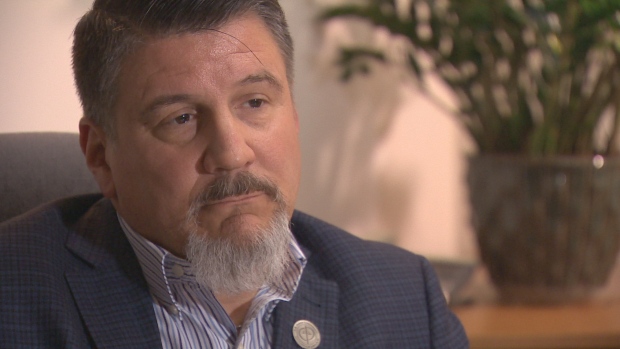
While the dispute was playing out behind closed doors, Coon was frustrated that his questions about unfounded sexual assault cases were going unanswered.
« There’s something behind the curtain I feel that is leading everyone from the premier to the minister to the department to say we need to keep a lid on this, » Coon said.
« Well, what’s under the lid? That’s what we need to find out. »
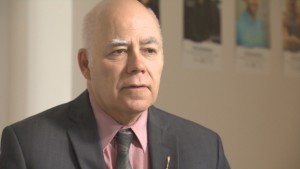
The Globe and Mail investigation, he said, « should have been the catalyst for a broader look » at how sexual assault is treated in the province’s justice system.
« I don’t understand why they wouldn’t have taken the offer of the police commission to take this on, » Coon said.
Even though it won’t oversee the review, the police commission plans to examine each police force’s findings.
If the results aren’t good enough, Roberge promises the commission will get involved again.
« It’s also very important for the public to understand that anyone out there who has had a sexual assault investigation conducted and wasn’t satisfied with the results, the commission is available to re-examine those investigations, » he said.

D’après un reportage de Karissa Donkin, CBC
« Il y a de la dissimulation dans ce dossier, estime-t-il. Ça part du premier ministre, ça se transmet au ministre et à son ministère. Le mot d’ordre semble être : “Il fait garder le couvercle sur la marmite”! »-David Coon
L’initiative de la Commission de police du Nouveau-Brunswick faisait suite à un reportage du quotidien Globe & Mail selon lequel plus d’une plainte d’agression sexuelle sur cinq, au Canada, était jugée non fondée par les forces policières. Le pourcentage des plaintes rejetées au Nouveau-Brunswick était bien plus élevé : 32 %.
Un processus lancé par la Commission de police
La Commission de police du Nouveau-Brunswick, qui régit les forces municipales dans la province, avait alors demandé à celles-ci de faire une révision.
Pour baliser cette révision, elle s’était tournée vers le Centre d’aide en cas d’agression sexuelle de Fredericton, qui avait défini certains critères.
La directrice du développement communautaire du centre, Jenn Richard, avait suggéré que cette révision soit exhaustive, qu’elle cherche par exemple combien de temps s’écoule avant que les policiers demandent aux plaignantes de faire une déclaration en bonne et due forme et s’il les mettent en garde contre le fait de faire des plaintes frivoles.
Le directeur général de la Commission de police, Steve Roberge, avait alors rédigé une lettre à l’intention des chefs de police pour leur demander d’entreprendre une révision de tous les cas de violence sexuelle rapportés depuis 2010, en se fondant sur les critères proposés par le centre de Fredericton.
Le gouvernement s’interpose
Or, avant même qu’il puisse expédier cette lettre, le gouvernement provincial est intervenu.
Le sous-ministre de la Justice et de la Sécurité publique du Nouveau-Brunswick, Mike Comeau, a accusé la commission d’outrepasser son mandat.
« En résumé, il n’y a pas d’indication, dans la situation actuelle, qu’une municipalité ou la province ne se sont pas acquittées de leurs responsabilités en matière de maintien de la loi et de l’ordre », écrit-il dans une lettre à la commission.
Il a aussi reproché à Steve Roberge d’avoir déclaré publiquement que le reportage du Globe & Mail avait mis en évidence de sérieuses lacunes. Le dirigeant sautait ainsi aux conclusions, selon Mike Comeau.
« J’encouragerais la commission et les membres de son personnel d’éviter de parvenir à des conclusions avant une enquête », écrit-il.
Des enquêtes plus limitées
Le jour suivant, le gouvernement Gallant a ordonné une enquête sur les cas jugés non fondés au cours des cinq dernières années. Il n’obligeait par ailleurs pas les forces policières à tenir compte des critères définis par le Centre d’étude en cas d’agression sexuelle de Fredericton.
Les chefs de police doivent notamment vérifier, dans le cadre de cette révision, si les plaintes impliquaient de la violence entre partenaires intimes, si elles concernaient un mineur ou un adulte et si les cas ont été soumis au bureau des procureurs.
Selon les documents, cette intervention a surpris Steve Roberge. Il a obtenu un avis juridique qui confirme que seule la commission a le pouvoir d’assurer des services de police adéquats dans la province.
Une porte-parole du ministère de la Justice, Elaine Bell, a défendu l’approche gouvernementale dans un courriel à CBC. Elle affirme qu’elle sera « systématique, complète et fondée sur des preuves ».
Des choses à cacher selon David Coon
Mais le chef du Parti vert du Nouveau-Brunswick, David Coon, soupçonne que le gouvernement Gallant cherche à cacher des choses.
« Il y a de la dissimulation dans ce dossier, estime-t-il. Ça part du premier ministre, ça se transmet au ministre et à son ministère. Le mot d’ordre semble être : “Il fait garder le couvercle sur la marmite”! »
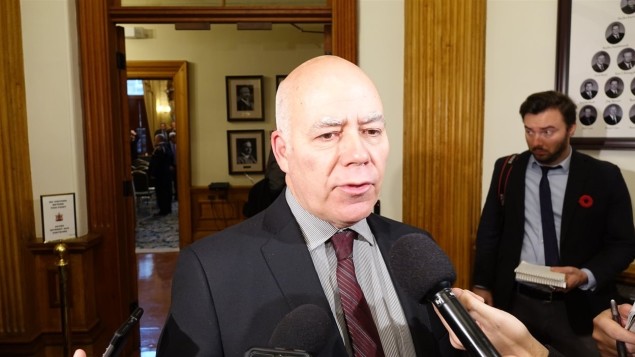
Il estime que le reportage du Globe & Mail aurait dû servir de catalyseur à un examen plus approfondi des agressions sexuelles et de leur traitement par le système de justice dans la province.
La Commission de police, pour sa part, a l’intention de passer en revue les conclusions de chacune des forces policières au terme de leur examen, même si elle n’est plus responsable de l’exercice.
Si elle estime que les révisions des forces policières sont incomplètes, la commission a l’intention de se mêler du dossier de nouveau.
« Les gens doivent savoir que si une personne n’est pas satisfaite d’une enquête sur une plainte d’agression sexuelle, la commission peut se pencher sur ces enquêtes », affirme Steve Roberge.